Resources
Discover lay-friendly resources about Aquaculture in the Southeast United States! Our curated database includes resources for the general public, seafood lovers, educators, extension personnel, and folks in the service industry.
Filters
Search Results

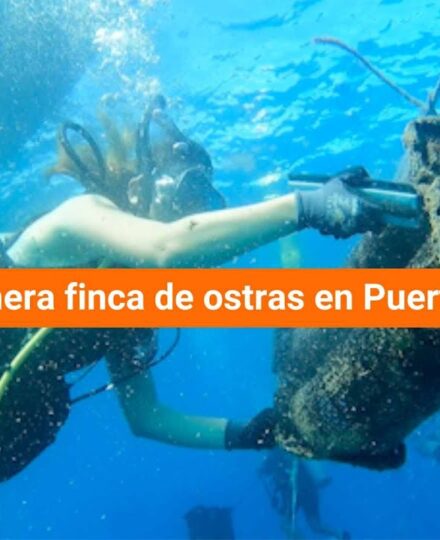
Así es la primera finca de ostras en Puerto Rico
¿Sabías que en Puerto Rico se cultivan ostras? Mujeres de Islas lidera la única finca de ostras en todo el archipiélago, en colaboración con la Asociación Pesquera de Culebra. El proyecto financiado por la Administración Oceánica y Atmosférica (NOAA, en inglés) busca desarrollar esta industria a fin de crear empleos e incrementar la soberanía alimentaria en la isla municipio.

Carreras en Biología Marina
This Spanish‑language Datos Marinos fact sheet from Puerto Rico Sea Grant explains the presence of mercury in fish and shellfish and why it can be a concern for certain consumers. It describes where mercury comes from, how it bioaccumulates through aquatic food webs, and which groups may be more vulnerable. The resource also shares guidance on enjoying seafood safely while managing potential health risks.

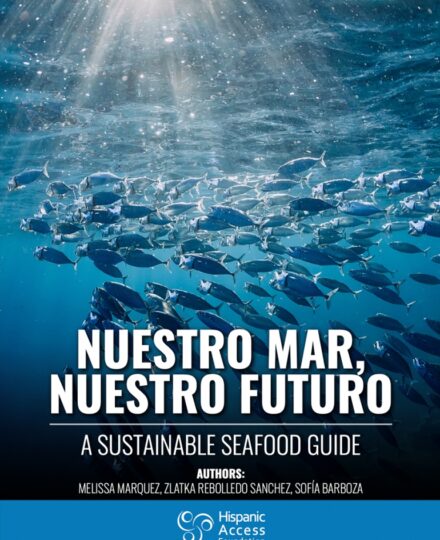
Nuestro Mar, Nuestro Futuro: A Sustainable Seafood Guide
This guide from the Hispanic Access Foundation is a bilingual educational resource created for Latino communities to build understanding of sustainable seafood and ocean conservation. The toolkit explains current challenges facing fisheries and provides practical guidance to help individuals and communities make informed seafood choices that support healthy oceans and resilient fisheries.

SafeOysters.com
SafeOysters.org is an educational website providing information about Vibrio vulnificus and the risks associated with consuming raw shellfish or exposing open wounds to marine environments. The site offers tailored guidance for health care providers, food and health educators, consumers, fishermen, and industry, focusing on prevention, risk awareness, and safe seafood handling practices.

La Presencia de Bifenilos Policlorados en Ciertas Especies de Pescados Cultivados
This fact sheet discusses polychlorinated biphenyls (PCBs), explaining their industrial origins, persistence in the environment, bioaccumulation in farmed fish, and implications for seafood consumption and human health.

Puerto Rico: Resilience In Action – Full Episode
After Hurricanes Irma and Maria, Puerto Rico’s fishing communities didn’t just rebuild, they transformed. With support from marine conservation non-profit Conservación ConCiencia, fishers are leading efforts to restore fisheries, protect endangered species, and strengthen their communities through collaboration, trust, and resilience.

Raw Oysters and Clams: The Ins and Outs of Their Consumption
This fact sheet describes how oysters and clams live, how they feed by filtering water, and why water conditions matter when they are eaten raw. It outlines common handling practices, explains cooking methods, and shares general guidance for consumers to make informed choices based on sourcing, handling, and preparation.

Advice about Eating Fish
This U.S. Food and Drug Administration resource explains how fish contributes important nutrients to a healthy diet. The page emphasizes fish as a source of omega‑3 fats and other essential nutrients that support brain development, heart health, and overall wellness, particularly during pregnancy, breastfeeding, and childhood.

Careers in Marine Biology
This Spanish‑language Datos Marinos fact sheet from Puerto Rico Sea Grant introduces careers in marine biology. It explains what marine biologists do, the types of environments and organisms they study, and how their work supports conservation, fisheries, and environmental management. The resource also highlights education pathways and skills needed for students interested in this field.
Disclaimer: The content contained herein is for informational purposes only. The Southeast Aquaculture Communications Collaborative does not endorse the content and does not guarantee the accuracy, completeness, or usefulness of the information. The Southeast Aquaculture Communications Collaborative does not accept liability for any injuries or damages caused by those acting upon or using the content contained on this website.