Resources
Discover lay-friendly resources about Aquaculture in the Southeast United States! Our curated database includes resources for the general public, seafood lovers, educators, extension personnel, and folks in the service industry.
Search Results
Filters

Overview of Urban Aquaculture
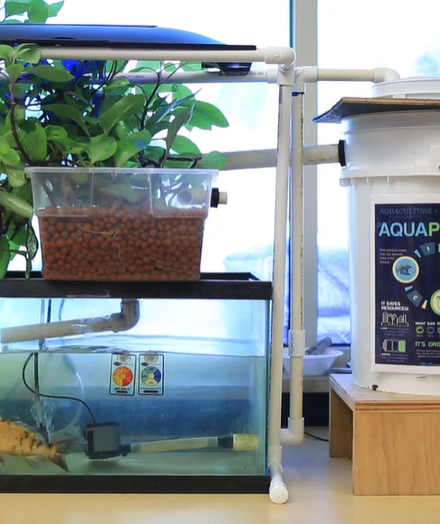
This UF/IFAS Extension fact sheet introduces urban aquaculture and how fish and plants can be raised in city and suburban spaces. It explains approaches like aquaponics and recirculating systems and explores setups for backyards, rooftops, garages, and community gardens. The publication highlights both opportunities and challenges for small-scale or commercial food production in urban environments.

Georgia’s Growing Oyster Industry
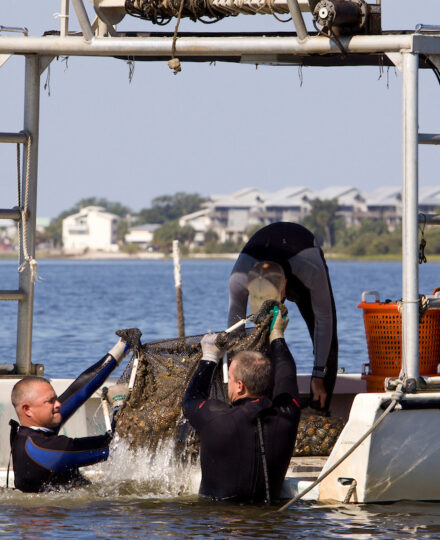
This article describes the growth of Georgia’s oyster aquaculture industry and how it is shaping coastal communities and ecosystems. It explains how oysters are produced, from hatchery research to farm operations, and highlights new policies that support farming. The piece also shows how partnerships among researchers, farmers, and businesses contribute to economic development and environmental sustainability.

The History of Offshore Aquaculture Governance in the Gulf of Mexico
This UF/IFAS Extension fact sheet explains how offshore aquaculture in the Gulf of Mexico has been governed over time. Written for stakeholders, educators, and interested community members, it outlines how federal and state roles have evolved and why offshore aquaculture can be complex to manage. The resource helps readers better understand the regulatory landscape behind offshore fish farming.

South Carolina Oyster Farming Messaging
Oyster Farming Messaging is a South Carolina Sea Grant communication resource designed to support consistent, accurate public messaging about oyster aquaculture. The document provides key talking points, values‑based framing, and responses to common questions to help growers, partners, and educators communicate the environmental, economic, and community benefits of oyster farming.

Teach Aquaculture Infographic
This infographic introduces aquaculture as an educational topic, showing how aquaculture concepts are used for teaching science, math, and career‑related skills. It highlights classroom and hands‑on learning approaches that incorporate aquaculture systems and examples to support instruction in schools and educational programs.

Stay for the Seafood – Lafourche/Terrebonne
This video features Chef Nathan Richard of Cuvée, a Terrebonne/Lafourche food icon, as he prepares house specialties Fried Alligator & Waffles and Turtle Soup. Using seafood and ingredients sourced from Louisiana fishermen and farmers, the video highlights regional culinary traditions and the importance of locally harvested products to coastal food systems.

Sun Shrimp – Episode 8 – Eating Out: The Hunt For Sustainable Seafood
This video follows a visit to a commercial shrimp farm in South Florida, featuring interviews with farm managers, technicians, geneticists, and water‑quality specialists. Viewers are introduced to shrimp breeding, larval rearing, feed development, genetics, water management, harvesting, and processing, alongside perspectives from chefs who work with domestically farmed shrimp, offering an overview of modern U.S. shrimp aquaculture and seafood supply chains.

Tide to Table Profile: DJ’s Oyster Company
This feature story profiles DJ’s Oyster Company in Palacios, Texas, describing the emergence of oyster aquaculture in a state historically reliant on wild harvests. It follows a third‑generation Gulf fisherman who shifted to oyster farming after legalization in 2019, highlighting economic benefits, water filtration services, and challenges from storms and recovery.

Overfishing and Aquaculture (Grades 3-5)
This grades 3–5 lesson introduces students to seafood sources by comparing wild‑caught fishing and aquaculture systems. Through discussion, simulations, and data analysis, students explore how overfishing affects ocean ecosystems and how aquaculture can help meet food needs while reducing environmental pressure when managed sustainably.

Storage of Fish and Seafood
This Spanish‑language Datos Marinos fact sheet from Puerto Rico Sea Grant focuses on the safe storage of fish and shellfish. It explains how proper refrigeration and freezing help maintain quality and freshness, what changes occur as seafood deteriorates, and practical tips for storing products at home depending on when they will be consumed.
Disclaimer: The content contained herein is for informational purposes only. The Southeast Aquaculture Communications Collaborative does not endorse the content and does not guarantee the accuracy, completeness, or usefulness of the information. The Southeast Aquaculture Communications Collaborative does not accept liability for any injuries or damages caused by those acting upon or using the content contained on this website.