Resources
Discover lay-friendly resources about Aquaculture in the Southeast United States! Our curated database includes resources for the general public, seafood lovers, educators, extension personnel, and folks in the service industry.
Search Results
Filters

Understanding the Details of a Shrimp Label
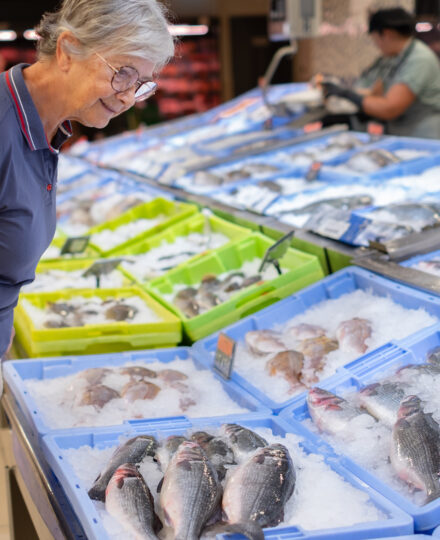
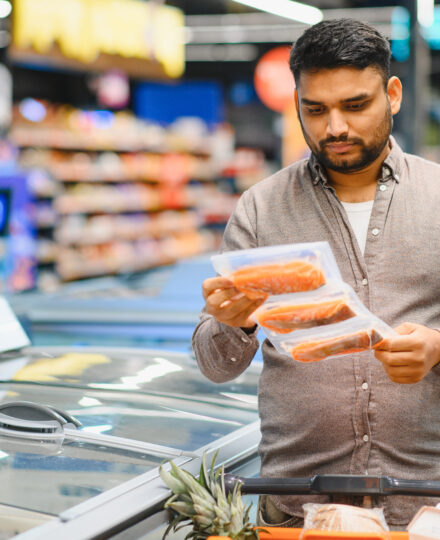
his video explains how to read shrimp labels when purchasing seafood in the United States. It discusses country of origin labeling, wild‑caught versus farm‑raised shrimp, size counts, common post‑harvest treatments, and packaging types. The video helps consumers understand how shrimp are sourced, processed, and presented at retail counters.

Catalogue of United States Farm-Raised Seafood
This document introduces aquaculture seafood for consumers, explaining what farm‑raised seafood is and profiles many species farmed in the U.S. It highlights flavor and texture differences, basic nutrition information, and everyday serving ideas, including simple preparation methods and recipes.

Texas Gulf Seafood Locator
This searchable directory connects consumers with restaurants and seafood markets that source Texas Gulf–harvested seafood. Maintained by Texas Gulf Seafood, the tool allows users to filter by location and business type to locate sellers promoting locally caught fish and shellfish, supporting Gulf commercial fishermen and regional seafood economies.

Seafood peak availability calendar
This Florida Department of Agriculture and Consumer Services resource highlights seafood products available through the “Fresh From Florida” program. The page describes Florida’s commercial seafood offerings, including wild‑caught and aquaculture products harvested from the state’s Gulf and Atlantic waters, and encourages consumers to seek Florida seafood to support local fishing families and coastal economies.

HARVEST Program
The HARVEST Internship Program connects university students with Florida aquaculture businesses through paid, part‑time internships. Designed to build workforce skills, the program provides hands‑on experience in aquaculture operations, research, husbandry, outreach, and problem‑solving while supporting productivity, sustainability, and innovation within Florida’s growing aquaculture industry.

Tech Talk: Cage Culture in Existing Waters
This podcast episode provides an overview of cage culture in existing ponds. It covers suitable fish species, basic site and water quality needs, cage placement and feeding practices, and common challenges encountered in cage culture, offering practical guidance for successful pond‑based aquaculture.

Aquaculture 101: Collection of Reels
Aquaculture 101 is a set of short vertical videos from Sereia Films that introduce the fundamentals of aquaculture and global seafood production. Designed for student and public audiences, it explains where seafood comes from, why aquaculture is expanding, and how diverse farming systems contribute to food security, conservation, and sustainable ocean stewardship.

Georgia Seafood Directory
This searchable directory connects consumers with Georgia seafood retailers and wholesalers across the state. Users can browse retail and wholesale listings or filter by seafood type to locate Georgia seafood providers. The directory also offers educational information about popular Georgia seafood species and supports informed purchasing of locally harvested, safe, and nutritious seafood.

Sustainable Seafood Choices with Sarah Curry
This recorded webinar features Sarah Curry, founder of Sereia Films, presenting an educational overview of how seafood choices affect ocean health. Hosted by the Marine Environmental Education Center in Florida, the talk explores wild‑caught and farmed seafood, fisheries management, aquaculture practices, consumer decision‑making, and practical ways individuals can support sustainable oceans through informed seafood choices.
Disclaimer: The content contained herein is for informational purposes only. The Southeast Aquaculture Communications Collaborative does not endorse the content and does not guarantee the accuracy, completeness, or usefulness of the information. The Southeast Aquaculture Communications Collaborative does not accept liability for any injuries or damages caused by those acting upon or using the content contained on this website.