Resources
Discover lay-friendly resources about Aquaculture in the Southeast United States! Our curated database includes resources for the general public, seafood lovers, educators, extension personnel, and folks in the service industry.
Search Results
Filters

Lessons in Mariculture
Lessons in Mariculture is an educational curriculum developed by North Carolina Sea Grant that introduces students to marine aquaculture in the state. The program includes a series of free, standards‑aligned lesson plans covering aquaculture species, biology, production methods, environmental considerations, and business planning, supporting science education and career exploration in mariculture.

Marine Aquaculture in the U.S.
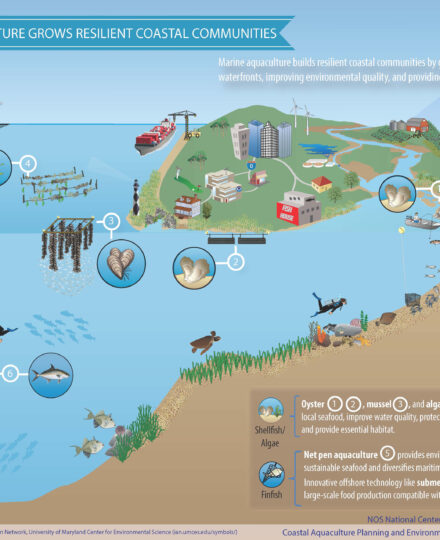
This fact sheet describes marine aquaculture in the United States, focusing on the farming of marine fish, shellfish, and seaweeds in coastal and offshore waters. It outlines the types of species produced, where aquaculture takes place, and the roles of federal agencies in permitting, research, and coordination. The document presents current production context and management responsibilities.

HARVEST Program
The HARVEST Internship Program connects university students with Florida aquaculture businesses through paid, part‑time internships. Designed to build workforce skills, the program provides hands‑on experience in aquaculture operations, research, husbandry, outreach, and problem‑solving while supporting productivity, sustainability, and innovation within Florida’s growing aquaculture industry.

National Consumer Guide – Spanish
This Spanish‑language national seafood guide from the Monterey Bay Aquarium’s Seafood Watch program provides science‑based recommendations to help consumers choose more sustainable seafood. The guide supports informed, responsible seafood choices when shopping or dining in the United States.

Nuestro Mar, Nuestro Futuro: A Sustainable Seafood Guide
This guide from the Hispanic Access Foundation is a bilingual educational resource created for Latino communities to build understanding of sustainable seafood and ocean conservation. The toolkit explains current challenges facing fisheries and provides practical guidance to help individuals and communities make informed seafood choices that support healthy oceans and resilient fisheries.

Sustainable Seafood Choices with Sarah Curry
This recorded webinar features Sarah Curry, founder of Sereia Films, presenting an educational overview of how seafood choices affect ocean health. Hosted by the Marine Environmental Education Center in Florida, the talk explores wild‑caught and farmed seafood, fisheries management, aquaculture practices, consumer decision‑making, and practical ways individuals can support sustainable oceans through informed seafood choices.

Catalogue of United States Farm-Raised Seafood
This document introduces aquaculture seafood for consumers, explaining what farm‑raised seafood is and profiles many species farmed in the U.S. It highlights flavor and texture differences, basic nutrition information, and everyday serving ideas, including simple preparation methods and recipes.

Florida Aquaculture Educator Resources
The Aquaculture Educator Resources page from the Florida Department of Agriculture and Consumer Services provides guidance and materials to support aquaculture education in classrooms and schools. The page includes information on aquaculture and aquaponics systems, benefits of aquaculture education, classroom project planning, system checklists, and permit requirements for school‑based aquaculture activities.

Resources for Seafood in Schools
This resource from the Seafood Nutrition Partnership provides educational materials to help schools incorporate seafood into meals and nutrition education. The page includes recipes, classroom activities, posters, family nutrition resources, and a supplemental five‑lesson curriculum for grades 3–8, designed to support student health, learning, and seafood consumption twice per week.

Ask Extension
Ask Extension is an online service that connects the public with Cooperative Extension experts from land‑grant universities across the United States. The platform allows users to submit questions and receive research‑based answers on agriculture, gardening, food, natural resources, and related topics, supporting Extension outreach and public education nationwide.
Disclaimer: The content contained herein is for informational purposes only. The Southeast Aquaculture Communications Collaborative does not endorse the content and does not guarantee the accuracy, completeness, or usefulness of the information. The Southeast Aquaculture Communications Collaborative does not accept liability for any injuries or damages caused by those acting upon or using the content contained on this website.