Resources
Discover lay-friendly resources about Aquaculture in the Southeast United States! Our curated database includes resources for the general public, seafood lovers, educators, extension personnel, and folks in the service industry.
Filters
Search Results

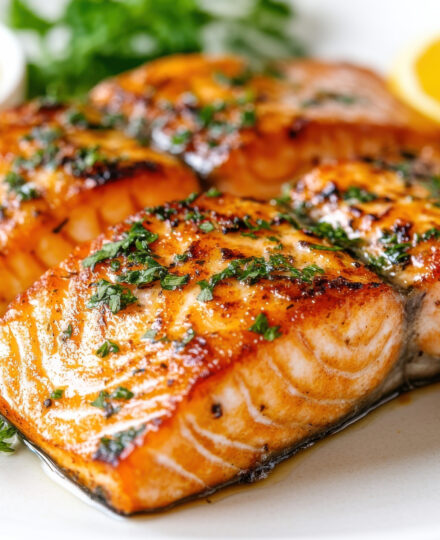
Red Tide and Seafood Safety
This video explores red tide blooms and their effects on the environment and seafood safety. It addresses how red tide can impact fish caught by anglers, whether restaurant seafood is safe to eat, and what to do if tainted seafood is consumed, providing practical guidance for consumers and coastal communities.

America’s Blue Highway Tour
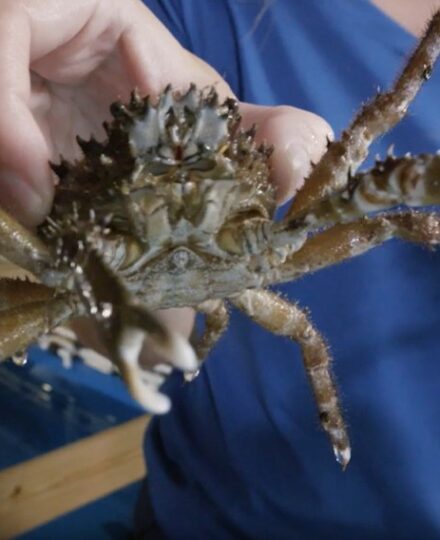
A cross-country expedition documenting the people, species, and stories that define the American aquatic food industry. The host unearths the process from tide-to-table as she travels throughout the country, visiting restaurants, fish farms, and more! Read about the crawfish, crab, shrimp, oyster, redfish, and catfish production across the gulf.

Dive in with NOAA Fisheries Podcast
Dive In with NOAA Fisheries is a podcast series that explores the science, people, and programs behind NOAA Fisheries’ work. Episodes highlight topics such as sustainable fisheries, aquaculture, habitat restoration, seafood systems, and marine conservation, sharing behind‑the‑scenes perspectives on how research and management support healthy oceans and coastal communities.

Introduction to Ocean Farming Series
This video series, hosted by Ocean Today’s Symone Johnson, introduces the broader topic of ocean farming and links to a set of short educational videos about aquaculture. It explains why ocean farming is important by highlighting the growing demand for seafood and the limits of wild fisheries, as well as the high percentage of seafood imported in the United States. It also describes how aquaculture can produce different species, support jobs and innovation, and contribute to a more sustainable food system.

Coral Reef Conservation in Puerto Rico
This video explores the connections between Puerto Rico’s land, water, and coral reefs, showing how island culture, ecosystems, and communities are closely linked. It highlights conservation efforts supported by long‑term investment, emphasizing that protecting coral reefs often begins on land, where habitat and water quality improvements in upland areas contribute to healthier coastal and marine ecosystems.

Alligator Education
This video celebrates alligators in Texas in honor of the annual Texas Gatorfest. Featuring Chambers/Jefferson County Extension Agent Nikki Fitzgerald and guest experts, the video explores alligator biology, habitat, and conservation in Texas, highlighting collaborative education efforts between Extension, wildlife refuges, and alligator outreach programs.

Teach Aquaculture Infographic
This infographic introduces aquaculture as an educational topic, showing how aquaculture concepts are used for teaching science, math, and career‑related skills. It highlights classroom and hands‑on learning approaches that incorporate aquaculture systems and examples to support instruction in schools and educational programs.

Journey to become an Aquaculture Scientist
This video features a presentation on Women in Caribbean Aquaculture, sharing one scientist’s journey from Jamaica to international aquaculture research and industry leadership. It highlights barriers and opportunities for aquaculture in the Caribbean, the importance of education and networks, and efforts to build a regional platform that elevates women scientists and expands sustainable aquaculture across island nations.

Shrimp 101: Anatomy and stages of growth
This short video gives viewers a behind-the-scenes look at how farm-raised shrimp are grown in aquaculture tanks, from young shrimp to harvest size. Along the way, it introduces shrimp anatomy, feeding systems, and the daily work involved in maintaining healthy growing conditions. The resource offers an engaging glimpse into shrimp farming while helping viewers better understand where their seafood comes from and the care required to raise it successfully.
Disclaimer: The content contained herein is for informational purposes only. The Southeast Aquaculture Communications Collaborative does not endorse the content and does not guarantee the accuracy, completeness, or usefulness of the information. The Southeast Aquaculture Communications Collaborative does not accept liability for any injuries or damages caused by those acting upon or using the content contained on this website.