
Resources
Discover lay-friendly resources about Aquaculture in the Southeast United States! Our curated database includes resources for the general public, seafood lovers, educators, extension personnel, and folks in the service industry.
Filters
Search Results

How can oyster farms create homes for fish?
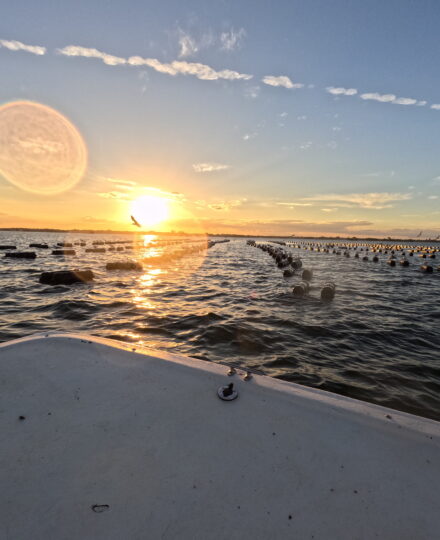
This resource is a student‑friendly scientific article from Science Journal for Kids that explains how oyster farms can provide habitat for fish. It describes a research study using underwater cameras and environmental DNA to observe fish species and their behavior around oyster cages. The article shows that these structures can act like artificial reefs, offering food, shelter, and protection, and supporting many fish species.

Hooked on Sustainable U.S. Aquaculture: A Deep Dive at Evans Fish Farm
This video follows a food blogger visiting Evans Fish Farm near Pierson, Florida, a multi‑generation operation producing sturgeon caviar, tilapia, hybrid striped bass, and largemouth bass. It highlights integrated aquaculture and agriculture practices, including cattle and crop production, and describes how the family balances food production with long‑term stewardship of natural resources.

Georgia’s Buford Trout Hatchery
The Georgia Department of Natural Resources invites you to visit the Buford Trout Hatchery where you can get an up‑close look at how hundreds of thousands of trout are raised for stocking in public waters. They invite guests to take self‑guided tours through the facility to see brown and rainbow trout at various stages of growth, making it a great stop for anyone curious about how fisheries are managed. They also provide guided group tours by appointment, giving students and visitors a deeper, interactive learning experience about hatchery operations and the role they play in supporting fishing opportunities across the state.

Down to Earth: Aquaculture
This video explains aquaculture in Alabama, highlighting its economic importance and the wide range of species farmed, including catfish, crawfish, oysters, shrimp, and baitfish. It emphasizes Alabama’s leadership in U.S. aquaculture, the state’s commitment to sustainable production, and Auburn University’s research role in improving efficiency, water quality, feeds, and aquatic animal health.

Louisiana Blue Crabs
This video explores blue crabs in Louisiana, highlighting their biology, harvest, and preparation. Viewers learn about the importance of blue crabs to Louisiana fisheries and see practical cooking techniques demonstrated by LSU AgCenter and Louisiana Sea Grant specialists, connecting seafood education with nutrition and local coastal resources.

Shellfish Culture Infographic
This infographic explains shellfish culture, describing how shellfish such as oysters and clams are raised through aquaculture in coastal waters. It outlines common culture methods, basic equipment, and growing environments used for shellfish production. The infographic presents shellfish culture as a core component of marine aquaculture in Florida waters.

Shrimp on the Prairie and Aquaculture Comics
This NOAA Sea Grant resource features educational comics that explain coastal, ocean, and water‑related topics through visual storytelling. The comics, including the Our New Age of Water series, explore current and future challenges such as aquaculture, sea level rise, and ocean chemistry, and are designed to support science literacy and public understanding.

Waters to the Sea: Gulf Coast Adventure
This interactive learning program from Hamline University’s Center for Global Environmental Education takes learners on a multimedia journey across the U.S. Gulf Coast. Through videos, virtual panoramas, and interactive modules, it connects watersheds to estuaries and coastal ecosystems, helping students understand how land‑use decisions affect the health of Gulf waters and communities.

Coral Reef Conservation in Puerto Rico
This video explores the connections between Puerto Rico’s land, water, and coral reefs, showing how island culture, ecosystems, and communities are closely linked. It highlights conservation efforts supported by long‑term investment, emphasizing that protecting coral reefs often begins on land, where habitat and water quality improvements in upland areas contribute to healthier coastal and marine ecosystems.
Disclaimer: The content contained herein is for informational purposes only. The Southeast Aquaculture Communications Collaborative does not endorse the content and does not guarantee the accuracy, completeness, or usefulness of the information. The Southeast Aquaculture Communications Collaborative does not accept liability for any injuries or damages caused by those acting upon or using the content contained on this website.