Resources
Discover lay-friendly resources about Aquaculture in the Southeast United States! Our curated database includes resources for the general public, seafood lovers, educators, extension personnel, and folks in the service industry.
Search Results
Filters

Oysters: A Vital Component of Coastal Ecosystems Viewing Guide
This grades 3–8 viewing guide supports a Chasing the Tide video that examines the ecological importance of oysters along the Texas Gulf Coast. Students learn how oyster reefs support water quality, coastal protection, biodiversity, and carbon storage, while exploring human impacts and restoration efforts. The guide includes discussion questions, background reading, and hands‑on poster or writing activities focused on conservation and sustainable resource use.

CrabEcology Activities and Handouts
This upper‑elementary curriculum introduces students to the ecology of coastal crabs within Georgia’s estuaries and salt marshes. Through hands‑on activities and investigations, students explore crab anatomy, life cycles, habitats, food webs, and adaptations while examining the role crabs play in coastal ecosystems and how environmental changes and human actions affect their populations.

Florida Aquaculture Educator Resources
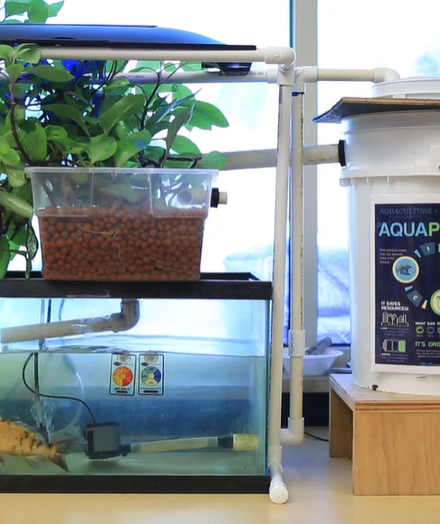
The Aquaculture Educator Resources page from the Florida Department of Agriculture and Consumer Services provides guidance and materials to support aquaculture education in classrooms and schools. The page includes information on aquaculture and aquaponics systems, benefits of aquaculture education, classroom project planning, system checklists, and permit requirements for school‑based aquaculture activities.

Oyster Dot to Dot Activity
This printable connect-the-dots activity page introduces learners to oysters in a fun, low-pressure way. Designed for children and early learners, it combines a simple puzzle with short, engaging oyster facts. The activity helps build basic understanding of oysters and their role in aquatic environments while supporting fine motor skills and informal learning.

Building an Oyster Reef: A 3-D Activity
This hands‑on lesson for grades 2–5 introduces oyster reefs as important coastal habitats. Students build a three‑dimensional model reef to explore how oysters form reefs, provide habitat, improve water quality, and reduce shoreline erosion. The activity connects oyster ecology to broader concepts of habitats, ecosystems, and natural resource conservation.

What is Aquaculture?
This animated video, appropriate for youth through adults, presents aquaculture as a way to help meet rising global seafood demand. It emphasizes the importance of sustainability, human health, and science‑based decision‑making, illustrating how responsible aquaculture can contribute to food security while supporting environmental stewardship.

Aquaculture 101: Collection of Reels
Aquaculture 101 is a set of short vertical videos from Sereia Films that introduce the fundamentals of aquaculture and global seafood production. Designed for student and public audiences, it explains where seafood comes from, why aquaculture is expanding, and how diverse farming systems contribute to food security, conservation, and sustainable ocean stewardship.

Overfishing and Aquaculture (Grades 3-5)
This grades 3–5 lesson introduces students to seafood sources by comparing wild‑caught fishing and aquaculture systems. Through discussion, simulations, and data analysis, students explore how overfishing affects ocean ecosystems and how aquaculture can help meet food needs while reducing environmental pressure when managed sustainably.

Coral Reef Education Trunks
The Florida’s Coral Reef Education and Activities resource provides lesson plans, materials, and activities for grades K–12 focused on coral reef science and conservation. The page includes educator‑designed lessons, digital and printable resources, and additional videos, games, and art and science activities to support classroom and informal learning.

Restoring Coral Reefs
This resource is a short educational video from NOAA’s Ocean Today series that demonstrates how coral reef restoration is carried out in real-world settings. It shows scientists and divers using techniques like coral nurseries and reattaching coral fragments to damaged reefs. The video focuses on the threats facing coral reefs and how restoration helps rebuild ecosystems and improve resilience.
Disclaimer: The content contained herein is for informational purposes only. The Southeast Aquaculture Communications Collaborative does not endorse the content and does not guarantee the accuracy, completeness, or usefulness of the information. The Southeast Aquaculture Communications Collaborative does not accept liability for any injuries or damages caused by those acting upon or using the content contained on this website.